
Mori · licensed hairdresser, 8 years in Tokyo & Shanghai, specialising in Japanese straightening.
Matching a product to a hair type was the job. That is what this article is.
If you are reading this in a car park outside a salon, or at 11pm because you just realised you tucked your hair behind your ear — here are the answers first. The explanations come after.
Quick Answers
| Situation | Answer |
|---|---|
| Can I tie my hair up? | No. Not a ponytail, bun, clip, headband or hair tie. |
| Can I tuck it behind my ears? | No. This is the most-broken rule and it leaves a permanent bend. |
| Can I wear glasses? | Yes, but keep the arms clear of your hair. Do not let hair hook over them. |
| It got rained on. Is it ruined? | Probably not. Blow it dry straight, gently, right now. Details below. |
| There is a crease from sleeping. | Slide a flat iron gently over it on low heat. Then call your salon. |
| Can I go to the gym? | No. Sweat is water. |
| Can I wear a hat? | No. It presses a line into hair that is still setting. |
| Can I use dry shampoo / oil / leave-in? | No products at all. Nothing goes on it. |
| 48 hours or 72? | Do what your stylist told you. If nobody told you: 72. |
Buy this before hour 72, not after. The first wash decides how long the treatment lasts, and most people do it with whatever is already in the shower. Sulfate-free is not optional here — BOTANIST Botanical (Damage Care) cleans with a taurate, no sulfates anywhere in the standard range, and it is what I would put in the shower before the appointment. Check Price on Amazon →
Why the Internet Says 48 and Also Says 72
Both numbers are real, and the disagreement is not about hair — it is about margin.
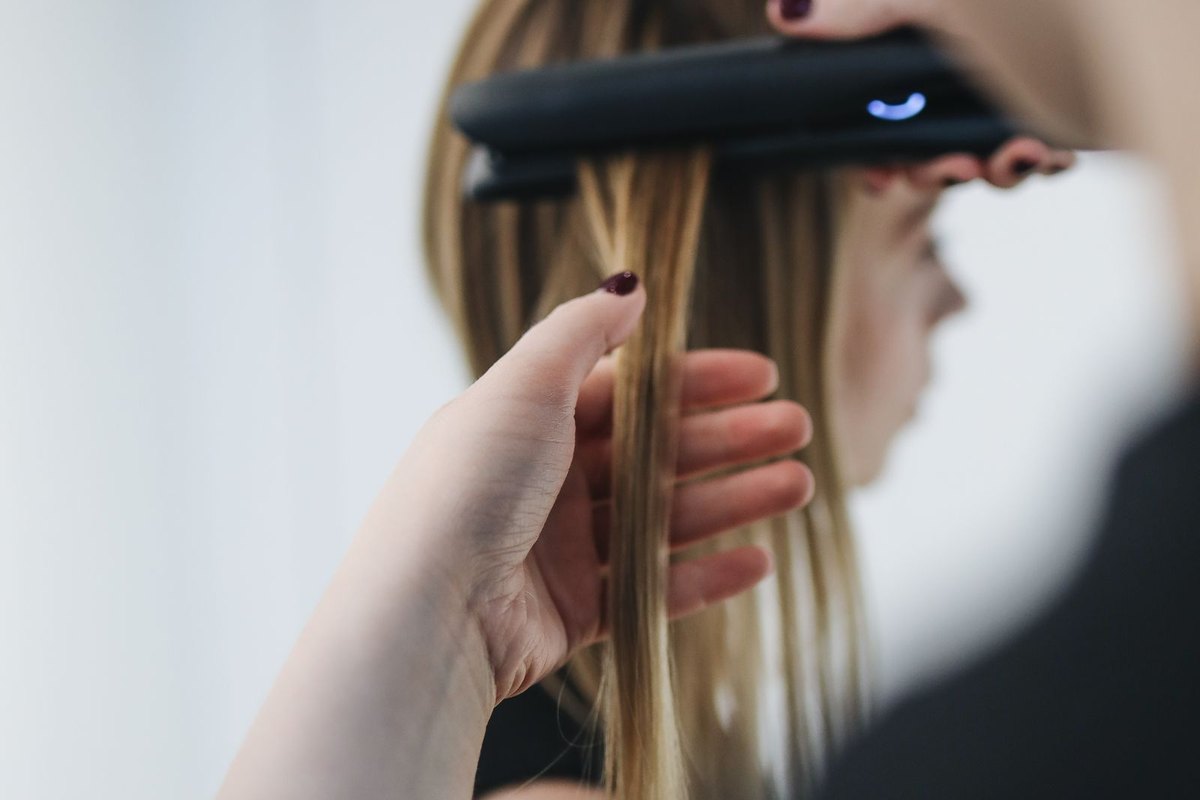
Here is what is actually happening inside the strand. Japanese straightening breaks the disulfide bonds that hold your hair’s shape, reshapes it with heat, then reforms those bonds with a neutraliser. That reforming does not finish in the salon chair. The neutraliser keeps working after you leave, and it needs continuous access to oxygen to complete the job.
Water interrupts it. Bending the hair while it is still setting locks the bend in.
Different systems set at different speeds, so some salons genuinely clear you at 48 hours. Others say 72 because it costs you nothing and removes the risk entirely. If your stylist gave you a number, that number is right for the product they used. If you left without one, assume 72 and you cannot be wrong.
The stricter rules — no tucking behind ears, no aggressive brushing — run the full 72 regardless.
The Rules, Ranked by How Often They Get Broken
1. Do not tuck your hair behind your ears
This is number one because it is automatic. You will do it without noticing, at your desk, on the phone, eating. It puts a sharp bend at exactly the point where hair is still deciding what shape it holds, and it is the single most common way people end up with a visible hook in their hair a week later.
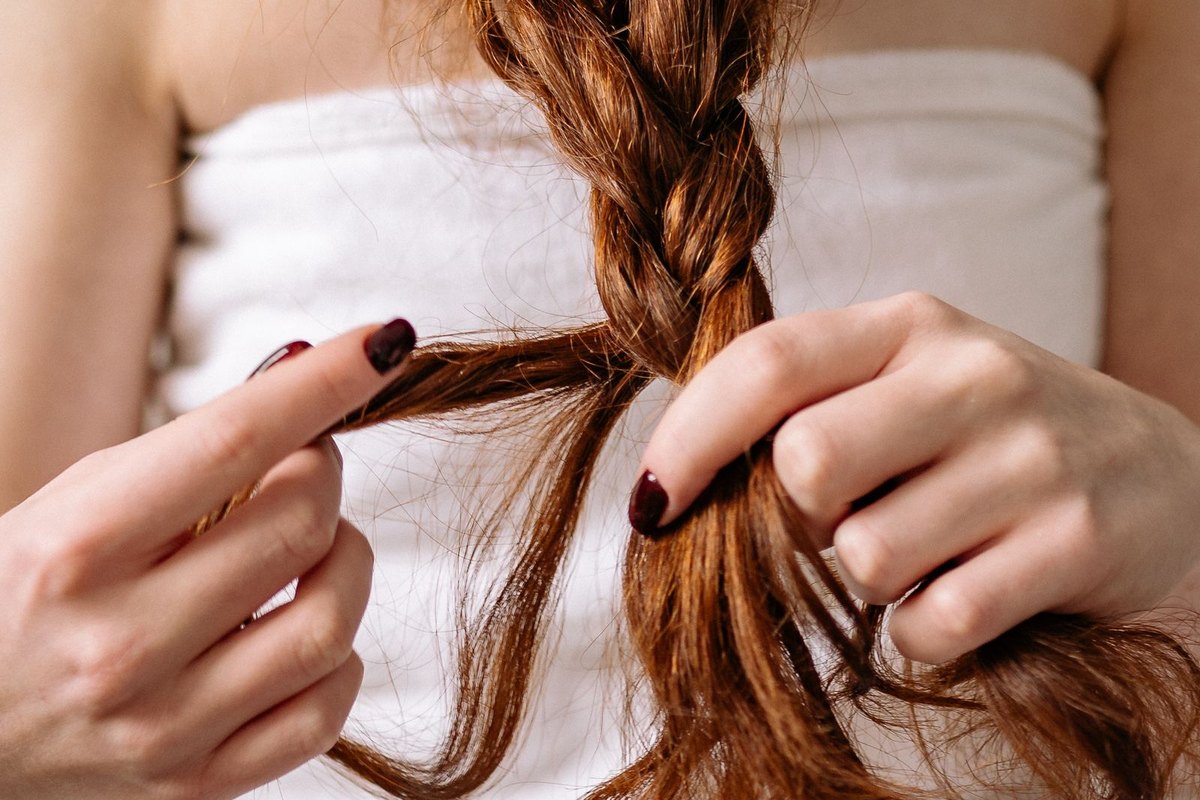
If it keeps falling forward, hold it. Do not pin it.
2. Do not tie it, clip it, band it or hat it
Anything that compresses or bends. Ponytails, buns, claw clips, bobby pins, headbands, beanies, sunglasses pushed up onto your head, earbud cords looping through it, a face mask hooking a strand behind your ear.
Down and straight for three days.
3. Keep it completely dry
No washing. No swimming. No sauna, no steam room, no hot yoga. No workout that makes you sweat — sweat is water with salt in it, and salt makes it worse.
Carry an umbrella even if the forecast is clear. Three days is not long to be careful.
4. Do not put anything on it
No oil, no serum, no dry shampoo, no leave-in, no heat protectant, no hairspray. Not even the products your salon sells. The hair is finishing a chemical reaction and does not need help.
5. Brush gently, or not at all
Use a wide-tooth comb or your fingers if you must. No tugging, no vigorous brushing, no backcombing.
If Something Goes Wrong
It got wet. Do not panic, and do not leave it to air dry. Air drying is what sets a bend. Blow it dry straight away on a medium setting, pulling it straight and smooth with a flat brush as you go. Get it fully dry. A brief soaking that is dried properly and quickly usually leaves no mark at all.
There is a crease or a kink. Take a flat iron on a low heat and slide it gently over the crease once or twice. Do not clamp hard and do not go over it repeatedly. Then message your salon and tell them. Most will look at it, and many will fix problems from the first week at no charge — but only if you tell them while it is fresh.
You slept badly and there is a bend at the pillow line. Same fix as above. Very common, usually easy.
You tucked it behind your ear for a while. Same fix. Catch it early and it comes out.
It is completely soaked — you were caught in a downpour on day one. Dry it straight immediately, then call the salon. Depending on how far into the setting window you were, they may want to see you. This is the one case where waiting to find out is the wrong move.
This is the one time your dryer matters. Drying straight, fast, and without cooking the hair is exactly what a good nanoe dryer does better than a cheap one — and if you have just had straightening done, you will be blow-drying straight for years. See Japanese Hair Dryers on Amazon: Nanocare vs the US Models.
How to Sleep
Three nights, and the first one matters most.
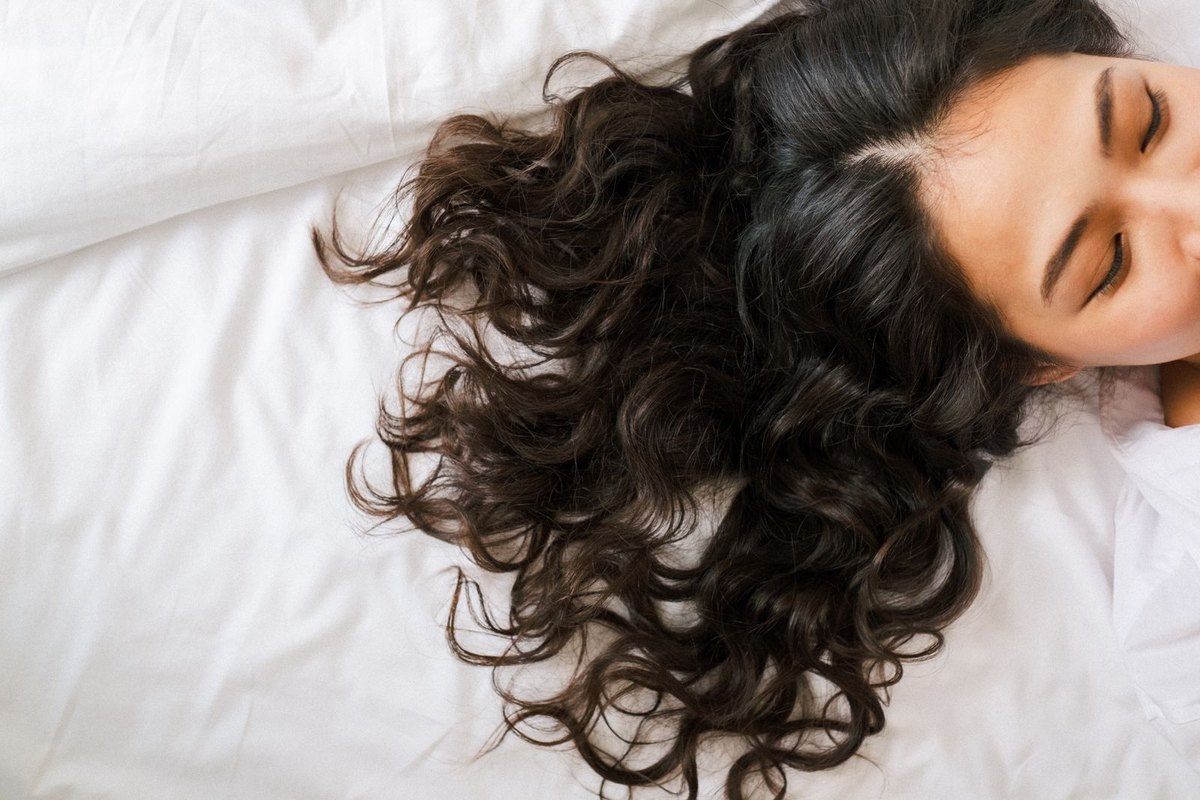
- Sleep with your hair loose and spread out, not gathered under your shoulder
- Straight down or fanned above your head on the pillow
- No bun, no braid, no scrunchie, however loose
- A silk or satin pillowcase genuinely helps here — less friction, fewer creases
- Sleeping on your back is best if you can manage it
If you wake with a bend, see the fix above. It is not a disaster.
Hour 72: The First Wash
This wash matters more than any other wash your hair will ever get, and most people do it with whatever bottle is already in the shower. That is how a $300–850 treatment starts fading in week one.
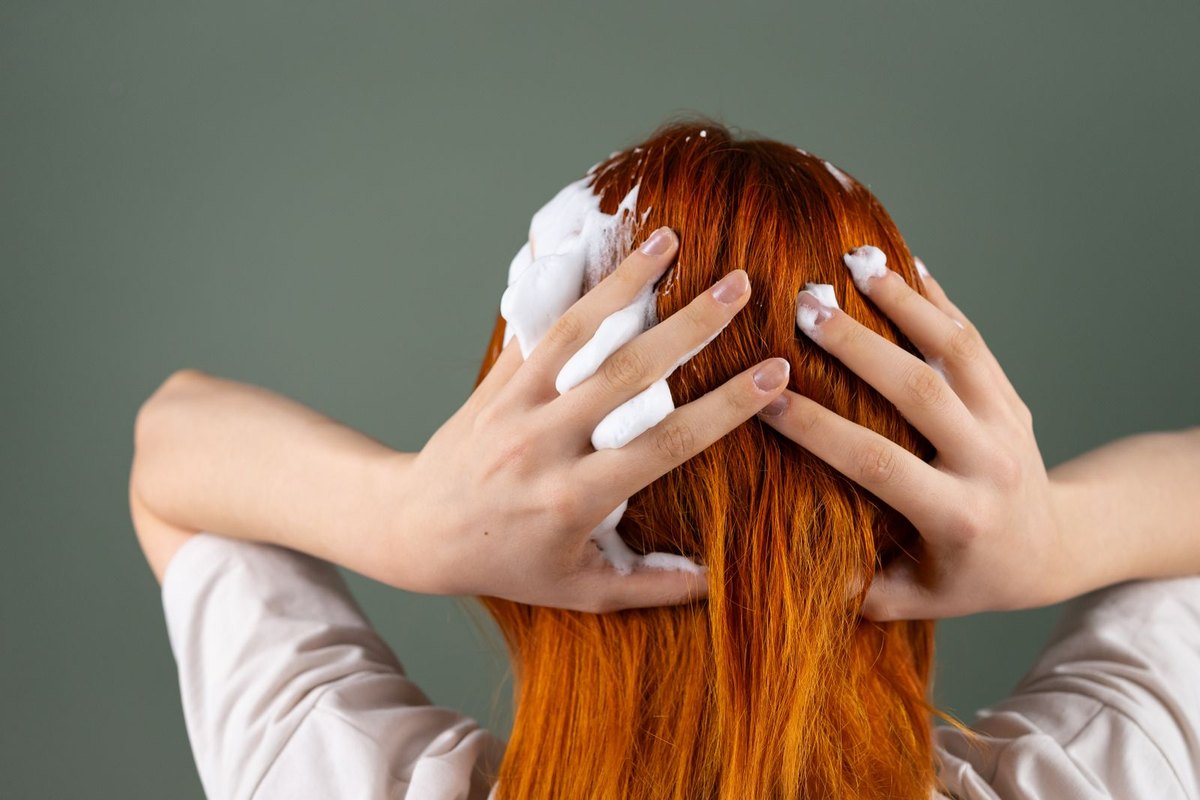
Buy your shampoo before your appointment, not after. At hour 72 you will not want to go shopping.
What the first wash needs:
- Sulfate-free. Not optional. Sulfates strip the treated lengths and accelerate the fade
- Lukewarm or cool water, never hot
- Gentle hands — no scrubbing, no piling it on top of your head
- Conditioner on the lengths, not the scalp
- Blow dry straight, or air dry completely flat. Do not sleep on it wet
What to have ready
| Product | Best for | Price | Where to buy |
|---|---|---|---|
| BOTANIST Botanical (Damage Care) | The safe default — genuinely sulfate-free, taurate cleanser | $$ | Check Price on Amazon |
| BOTANIST Botanical (Damage Care) | Everyday washing on a real budget | $$ | Check Price on Amazon |
| ONSENSOU Scalp Care Shampoo | A tight, itchy scalp after treatment | $$ | Check Price on Amazon |
| &Honey Deep Moist | Hair that already feels dry and straw-like | $$$ | Check Price on Amazon |
Price bands: $$ mid-range · $$$ premium · $$$$ salon tier. Amazon pricing moves — check the live listing.
Corrected September 2026: this page used to name Milbon Moisture Replenishing as the safe default. Sodium laureth sulfate is the third ingredient on its panel — it is a very good salon repair shampoo, but not the right one for the first weeks after a treatment. Our full aftercare guide explains the reasoning behind each pick.
👉 Check BOTANIST Damage Care on Amazon →
Availability note, September 2026: Japanese shampoo on Amazon US is mostly grey-market, and the listings come and go. BOTANIST has been listed anywhere between $20 and $90 depending on who is selling it that week, and the cheap listing sometimes disappears entirely. If the price looks absurd when you click through, or the delivery date is weeks out, buy Margaret Josefin instead — it is an amino-acid cleanser (cocoyl glutamate and a betaine, no sulfates anywhere on the panel), it stays in stock, and for this job it does the same thing. I check every link on this site monthly; that is the one part of a guide like this that goes stale fastest.
Do not reach for a clarifying shampoo. Popular Japanese options like Ichikami are excellent products and completely wrong here — they exist to strip the hair shaft. See the sulfate-free guide for gentler picks.
What Happens After Day 3
| Timeframe | What changes |
|---|---|
| Day 3 | First wash. Sulfate-free, cool water, dry it straight |
| Days 3–7 | You can tie it up loosely — but nothing tight, and no wet buns |
| Week 2 | Normal styling returns. Keep heat low; the hair is already heat-processed |
| Week 2+ | Colour, if your stylist has cleared the timing. Ask them — the advice online conflicts and the right gap depends on your hair |
| Months 4–12 | New growth becomes visible. See our touch-up guide |
Normal, and Not Normal
Normal in the first week: hair that feels flatter and silkier than you expected · a faint chemical smell for a day or two · a slightly tight or sensitive scalp · hair that will not hold a curl (it is not supposed to).
Call the salon: a visible kink you cannot iron out · sections noticeably straighter than others · breakage or short snapped pieces at the roots · a scalp that is burning, weeping or scabbed rather than just tight.
The last one is not an aftercare issue. That is a chemical burn and it needs attention, not shampoo.
FAQ
Can I tie my hair after Japanese straightening? Not for 72 hours. After that, loosely. Tight ties at the demarcation line stay a bad idea long-term — that boundary is the most fragile point on your head.
Can I wash my hair after 48 hours? If your stylist said 48, yes. If nobody told you, wait 72. The gap between the two numbers is the safety margin different products need.
What if my hair gets wet by accident? Blow it dry straight, immediately. Do not let it air dry. Handled quickly, most accidental wettings leave nothing behind.
Can I exercise? Not for 72 hours if you sweat. A gentle walk is fine; anything that dampens your scalp is not.
Can I use a silk pillowcase / does it help? Yes, and yes. Less friction means fewer creases while the hair is setting. It is the one thing worth buying specifically for these three nights.
Can I colour my hair? Not now. Both services stress the same hair. Ask your stylist for the timing — the answers online range from two weeks to six and depend on your hair’s condition.
My hair looks flat and lifeless. Is that permanent? The first few days often look flatter than the final result. It settles. If it still looks lank after two weeks, that is usually a product issue rather than the treatment — start with the aftercare guide.
The Bottom Line
Three days. Down, dry, and untouched.
- Nothing bends it — no ears, ties, clips, hats or pillows-worth of pressure
- Nothing wets it — no washing, rain, sweat, steam or swimming
- Nothing goes on it — no products at all
- If it gets wet: dry it straight immediately, do not air dry
- If it creases: low-heat flat iron, gently, then tell your salon
- At hour 72: sulfate-free shampoo, cool water, dried straight
The treatment was the expensive part. These three days decide whether it looks like you paid for it.
Next: Shampoo After Japanese Hair Straightening for the months that follow, and Touch-Ups: How Often and What They Cost for when the new growth arrives.
About the author
Mori spent eight years as a licensed hairdresser — two in Shanghai at the Isetan salon, six in Tokyo — specialising in Japanese hair straightening (shukumo kyosei). He no longer works behind a chair but still holds the licence, and lives in Japan.
This article is based on professional knowledge of hair and formulation, plus aggregated customer reviews. It does not claim personal testing of every product. More about how this site works →