
Mori · licensed hairdresser, 8 years in Tokyo & Shanghai, specialising in Japanese straightening.
Matching a product to a hair type was the job. That is what this article is.
Search “Japanese curly hair products” and you get a list of shampoos.
That is the wrong shape of answer. For curly hair, the shampoo is the least important thing you buy — and the thing that changes the result most is not a bottle at all.

So this is ordered by impact, not by price. What actually moves the needle first, what is optional, and the two things you should not buy Japanese.
⏱️ If you buy one thing Panasonic Nanoe EH-NA67 — a dryer with a diffuser changes curly hair more than any shampoo will. International voltage.
The Order That Actually Matters
| Priority | What | Why it ranks here |
|---|---|---|
| 1 | The dryer | Curls are made or destroyed while drying. Nothing else comes close |
| 2 | Conditioner | Defines the curl and lays the cuticle down |
| 3 | Shampoo | Matters, but mostly by not stripping |
| 4 | Weekly mask | Real, but only once you have 1–3 right |
| 5 | Oil | Finishing touch. Optional |
| — | Towel & comb | Essential, but do not buy Japanese — see below |
Most people buy in exactly the reverse order.
1. The Dryer — Where Japanese Products Genuinely Lead
If you have curly hair and no diffuser, you are fighting your own equipment.
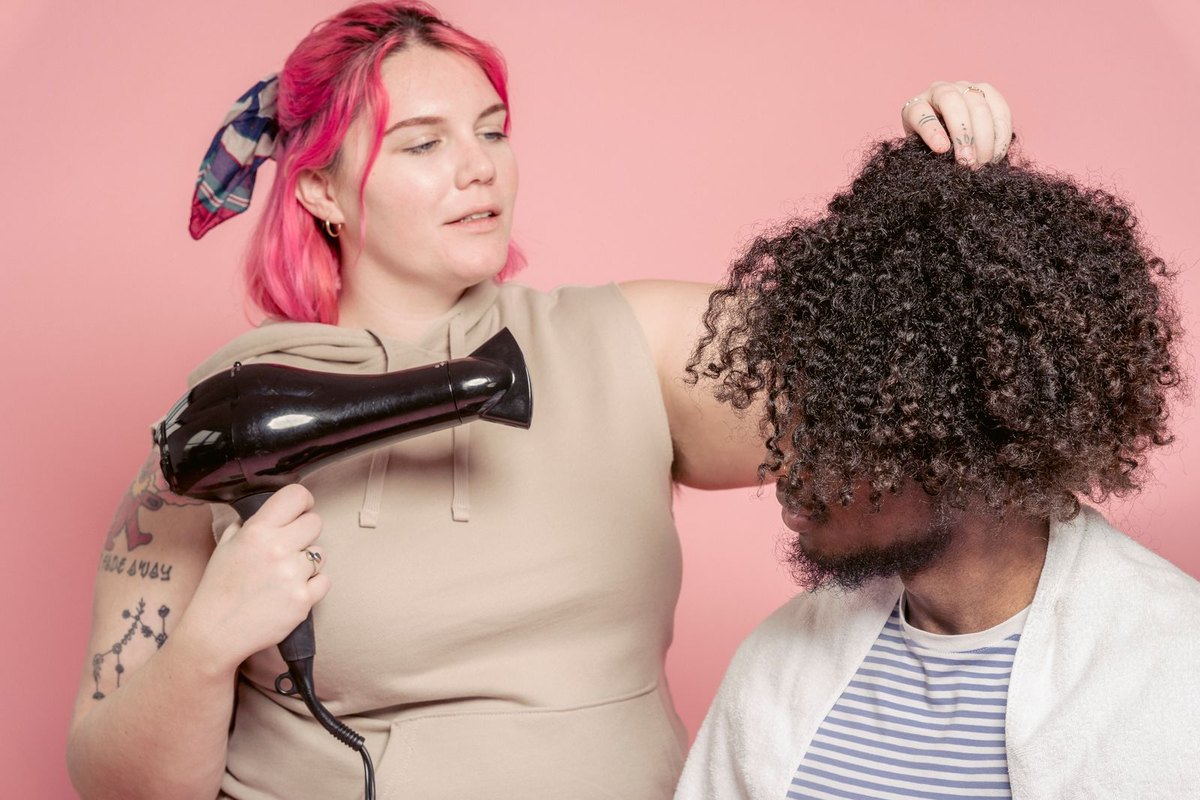
A concentrated jet of air blows curl clumps apart, and every separated strand becomes frizz. A diffuser spreads the airflow so the hair dries without disturbing the clump. That single attachment changes more than any product on this page.
Japanese dryers are built around a second idea that matters here too: dry faster at a lower temperature. Hair is swollen and its cuticle is raised the whole time it is wet, so a shorter wet window means a flatter, shinier result — and less heat means less damage on hair that is already fragile by structure.
| Model | Best for | Note | Where to buy |
|---|---|---|---|
| Panasonic Nanoe EH-NA67 | Start here | Diffuser + concentrator included. International voltage | Check Price on Amazon |
| Panasonic EH-NA0J Nanocare | The flagship | ⚠️ 100V Japan domestic model | Check Price on Amazon |
| Panasonic EH-NA27-K Compact | Fine waves, travel | Folding handle, lighter | Check Price on Amazon |
For curly hair the EH-NA67 is the one. The flagship is a better dryer on paper, but it ships without solving the problem you actually have, and it has a voltage trap.
For how the EH-NA67 compares with ReFa and KINUJO — and why none of the lighter Japanese dryers ship with a diffuser — see the Japanese hair dryer comparison.
⚠️ The voltage trap. The EH-NA0J is built for Japan’s 100V. The US runs 120V, and dryers draw two to four times their rated wattage at startup — a travel adapter will not do it and a small transformer will not either. Our full dryer guide covers when a step-down transformer is worth the money and when it is not.
👉 Check Panasonic Nanoe EH-NA67 on Amazon →
2. Conditioner — Buy This Before the Shampoo
For curly hair the conditioner does more work than the shampoo. It defines the curl, seals the cuticle, and decides whether you have frizz by lunchtime.
| Product | Weight | Best for | Price | Where to buy |
|---|---|---|---|---|
| Milbon Moisture Replenishing Conditioner | Medium-heavy | Most curls, the safe answer | $$$$ | Check Price on Amazon |
| &Honey Deep Moist Conditioner 2.0 | Heaviest | Coily, thick, very dry | $$$ | Check Price on Amazon |
Price bands: $$ mid-range · $$$ premium · $$$$ salon tier. Amazon pricing moves — check the live listing.
How you apply it matters more than which one you buy. Soaking wet hair, mid-length to ends only, detangle with it still in, and do not rinse it all out. Our conditioner guide covers the technique in full.
3. Shampoo — Mostly About Not Stripping
The shampoo’s job on curly hair is largely negative: clean without removing what the conditioner is about to put back.
| Product | Weight | Best for | Price | Where to buy |
|---|---|---|---|---|
| &Honey Deep Moist | Heaviest | Coily, thick, very dry | $$$ | Check Price on Amazon |
| Milbon Moisture Replenishing | Medium-heavy | The safe default | $$$$ | Check Price on Amazon |
| Tsubaki Premium Moist & Repair | Medium | Curly and damaged | $$ | Check Price on Amazon |
| BOTANIST Botanical (Damage Care) | Light-medium | Fine waves, sensitive scalp | $$ | Check Price on Amazon |
Match the weight to your pattern, and never pair a light shampoo with a light conditioner — that combination is the most common mistake curly shoppers make with Japanese products. The curly shampoo guide has the pairing table.
4. The Weekly Mask
Not a daily conditioner and not a substitute for one. Once a week, a deep treatment does something a rinse-out cannot — it sits long enough to penetrate rather than coat.
Fino Premium Touch Hair Mask has been one of Japan’s best-selling hair products for years. Five to ten minutes, mid-length to ends, once weekly, then your normal conditioner as usual.
Cons worth knowing: far too heavy for daily use, and the jar is messy with wet hands.
👉 Check Fino Premium Touch on Amazon →
5. Oil — Optional, and Easy to Overdo
If your ends still look dull once dry, a small amount of oil seals them. &Honey Deep Moist Hair Oil is the natural match if you are already using the &Honey pair.
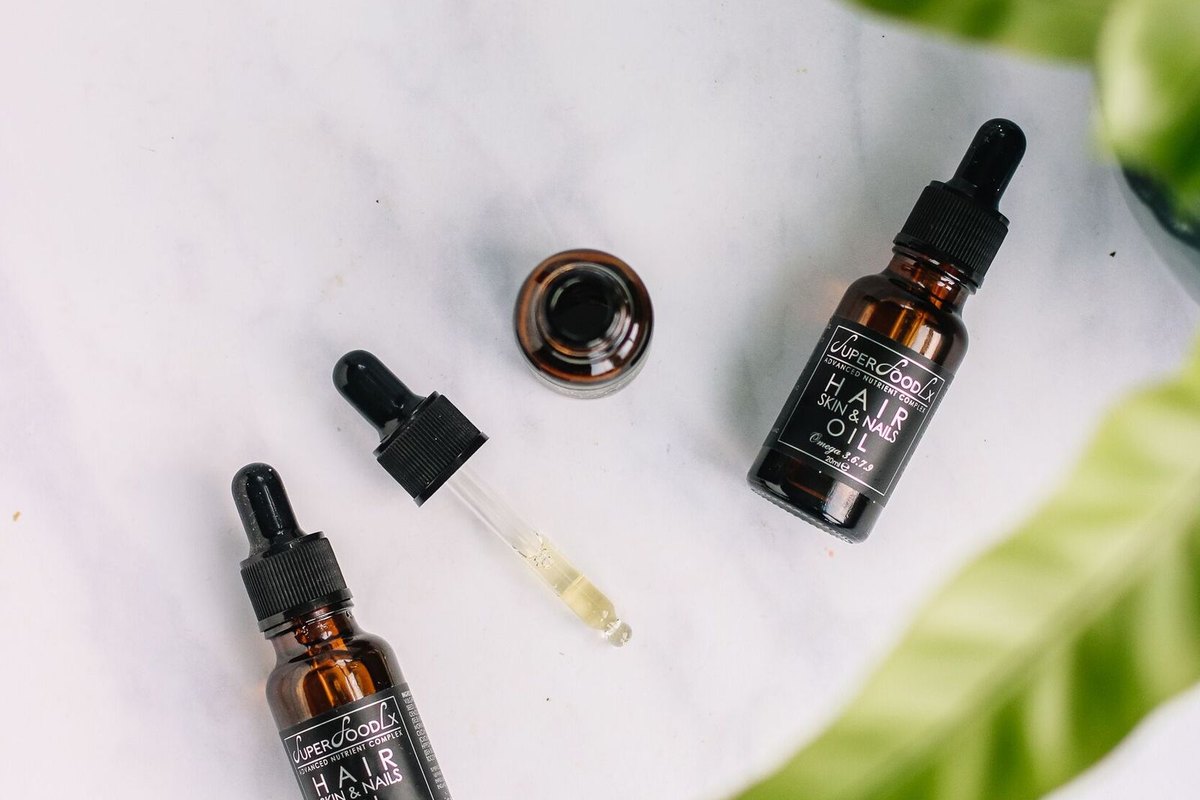
Two or three drops. Ends only. Damp hair. More than that and you are back to weighed-down curls — which is what most people do, and then blame the oil.
What You Should NOT Buy Japanese
Two things matter enormously for curly hair, and there is no reason to pay a premium or wait for shipping from Japan.
A microfibre towel. Rubbing curly hair with a terry towel is abrasion against a swollen cuticle — one of the biggest avoidable causes of frizz. But a microfibre towel is a microfibre towel. Any decent one works, and an old cotton T-shirt genuinely works too. Do not spend money here.
A wide-tooth comb. Detangling should happen with conditioner still in, from the ends upward, with something that does not drag. Any wide-tooth comb does this. The expensive ones do not detangle better.
I would rather tell you that than sell you a towel.
If You Use a Flat Iron
I would rather you did not, and I say that having ironed hair professionally for eight years. But if you are going to, two things reduce the cost.
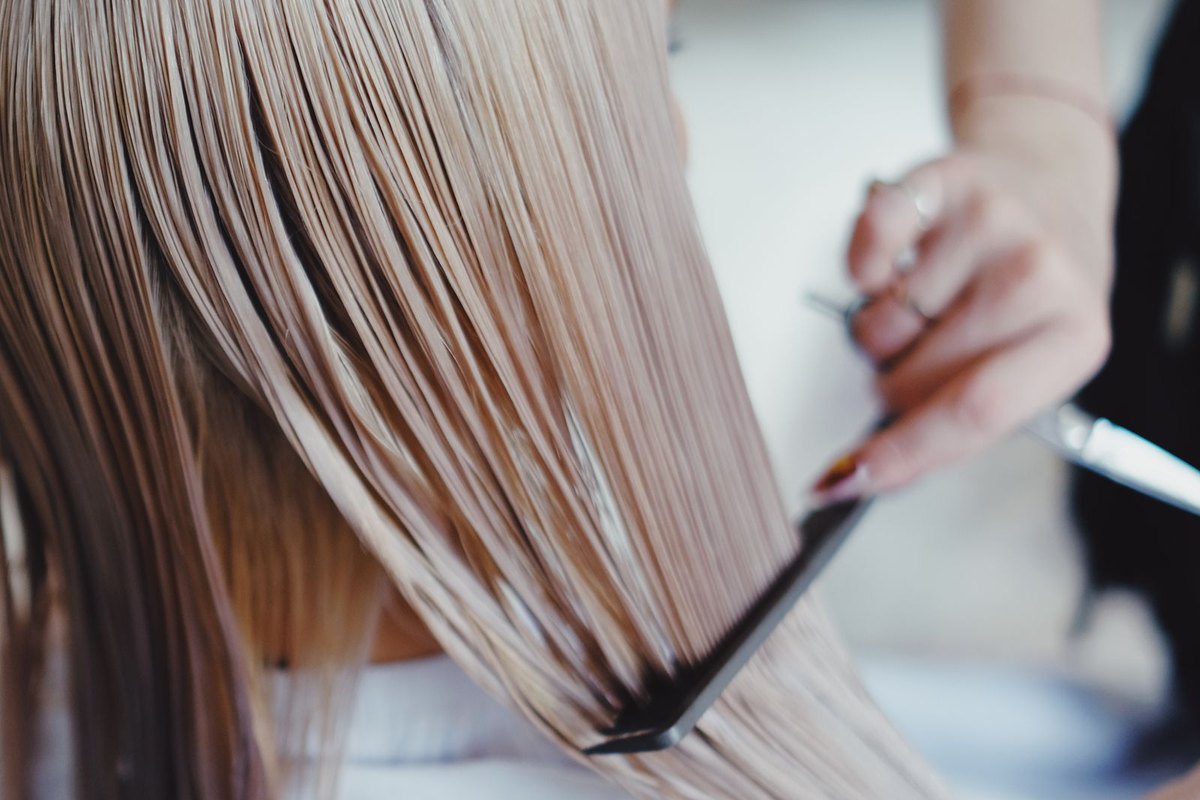
The plates. Drag is friction against a heated cuticle. Japanese silk-plate irons like the KINUJO W are built around low-friction glide, and the worldwide model handles international voltage.
If you are choosing between the Japanese irons, the KINUJO vs Panasonic vs ReFa comparison goes through the plates, the voltage and the temperature setting that matters more than the brand.
The technique, which matters more. Set, release, move down, set again — short passes, no tension. Do not clamp hard and drag the length in one pull. Straightness comes from heat and flat plates, not from pulling, and the same principle decides how much damage a salon straightening treatment does. The mechanics are in why Japanese straightening damages hair.
The Kit, at Three Budgets
Starting out – Shampoo: BOTANIST – Conditioner: &Honey – Towel: an old cotton T-shirt – Skip the dryer for now — fix the towel and the airflow direction first, because both are free
The one that actually works – Dryer: Panasonic Nanoe EH-NA67 ← the single biggest change – Shampoo + conditioner: &Honey pair – Weekly: Fino mask
No compromises – Dryer: EH-NA67, or the EH-NA0J if you have solved the voltage problem – Shampoo + conditioner: Milbon pair – Weekly: Fino · Finishing: &Honey oil
FAQ
What is the single most useful Japanese product for curly hair? A dryer with a diffuser — the EH-NA67. Curls are made or destroyed while drying, and no shampoo compensates for a concentrated jet blowing the clumps apart.
Do I need Japanese products specifically? For the dryer and the conditioner, Japanese options are genuinely strong. For a towel or a comb, no — buy anything.
Can I use a Japanese hair dryer in the US? Only the international models. Japanese domestic models are 100V and need a substantial transformer. See our dryer guide.
Is a hair mask the same as a conditioner? No. A mask is a weekly deep treatment; a conditioner is a daily rinse-out. Using a mask daily flattens curls within a week.
How much oil should I use? Two or three drops on the ends of damp hair. Overuse is far more common than underuse.
What if frizz is my main problem rather than curl definition? The drying half matters even more. See Best Japanese Shampoo for Frizzy Hair.
The Bottom Line
Buy in this order, and stop when your hair is behaving.
- Panasonic Nanoe EH-NA67 — the diffuser is the single biggest change
- &Honey or Milbon conditioner
- The matching shampoo
- Fino mask weekly
- &Honey oil, sparingly
And before any of it: stop rubbing your hair with a terry towel, and aim the airflow downwards. Those two cost nothing and change more than items 3 through 5 combined.
About the author
Mori spent eight years as a licensed hairdresser — two in Shanghai at the Isetan salon, six in Tokyo — specialising in Japanese hair straightening (shukumo kyosei). He no longer works behind a chair but still holds the licence, and lives in Japan.
This article is based on professional knowledge of hair and formulation, plus aggregated customer reviews. It does not claim personal testing of every product. More about how this site works →